Digital Wallet Performance and Its Effects on Personalized Accumulator Bets in Football Leagues and Horse Racing Classics
David Russell · Aug 20, 2026
Digital Wallet Performance and Its Effects on Personalized Accumulator Bets in Football Leagues and Horse Racing Classics
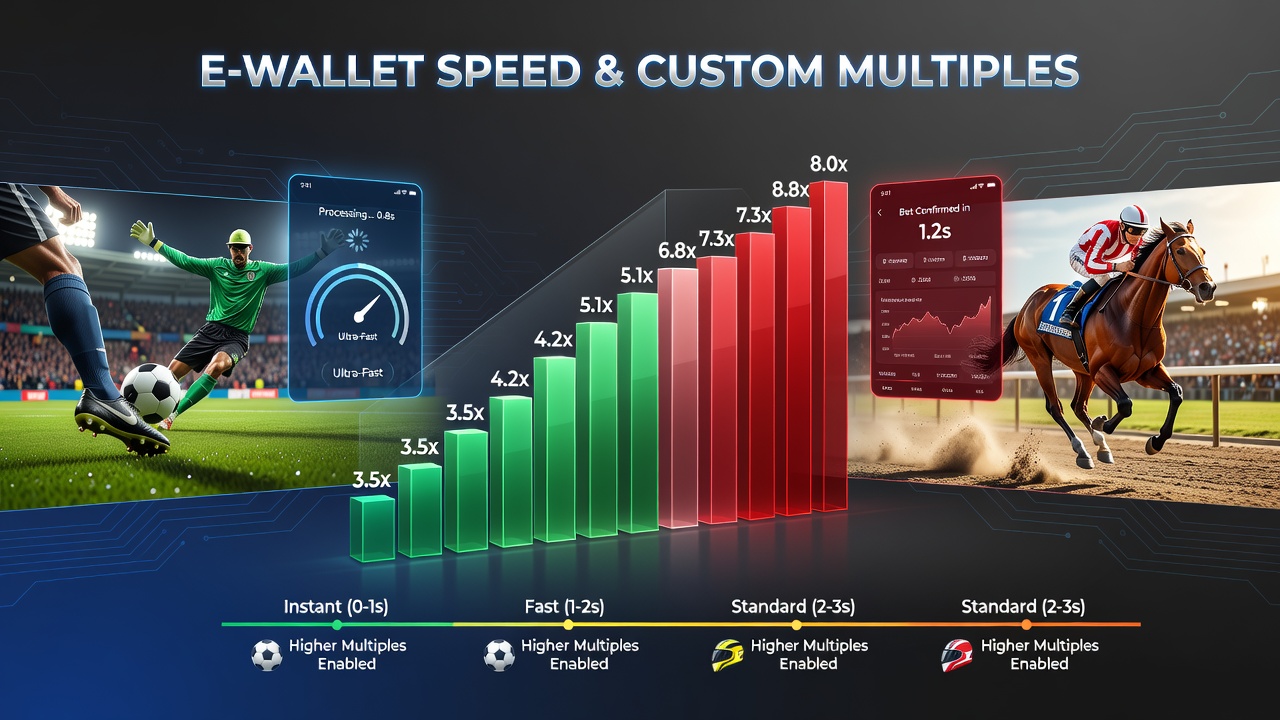
Digital payment systems have reshaped how bettors construct custom multiples across European football competitions and major horse racing fixtures since the expansion of mobile platforms in the mid-2010s, with transaction velocity emerging as a central factor in live and pre-event wagering patterns.
Transaction processing times for electronic wallets range from under five seconds for established providers to several minutes for less optimized services, and this variance directly affects the window available for assembling accumulators that combine multiple outcomes from different leagues or race meetings. Bettors who rely on rapid deposits can adjust selections in response to changing odds or late team news, while slower systems limit such flexibility especially during half-time intervals or between races at festivals like Royal Ascot or the Melbourne Cup.
Processing Speed in Football Accumulator Construction
Premier League, La Liga, and Bundesliga fixtures generate high volumes of custom multiples that mix goals, cards, and player props, and data from payment processors indicate that wallets completing transfers in three seconds or less support higher completion rates for these complex wagers. In August 2026 several major European matches coincided with international qualifiers, creating overlapping markets where quick funding allowed bettors to finalize selections before lines shifted, whereas delays of twenty seconds or more often resulted in missed combinations.
Observers note that custom multiples frequently incorporate correlated events across separate matches, such as over 2.5 goals in one fixture paired with a clean sheet in another, and the ability to fund these in a single session depends on seamless wallet integration with bookmaker platforms. Research from the University of Sydney's Gambling Treatment and Research Clinic highlights how payment latency influences session length and bet complexity in regulated markets outside the United Kingdom.
Impact on Horse Racing Custom Multiples
Classic race meetings including the Kentucky Derby, Prix de l'Arc de Triomphe, and Australian spring carnival events feature multi-leg bets such as quinellas, trifectas, and custom patents that combine runners from different tracks or days. Faster e-wallet speeds enable punters to place these wagers during short intervals between races when odds fluctuate rapidly due to non-runners or track conditions, while slower processing can push users outside optimal windows.
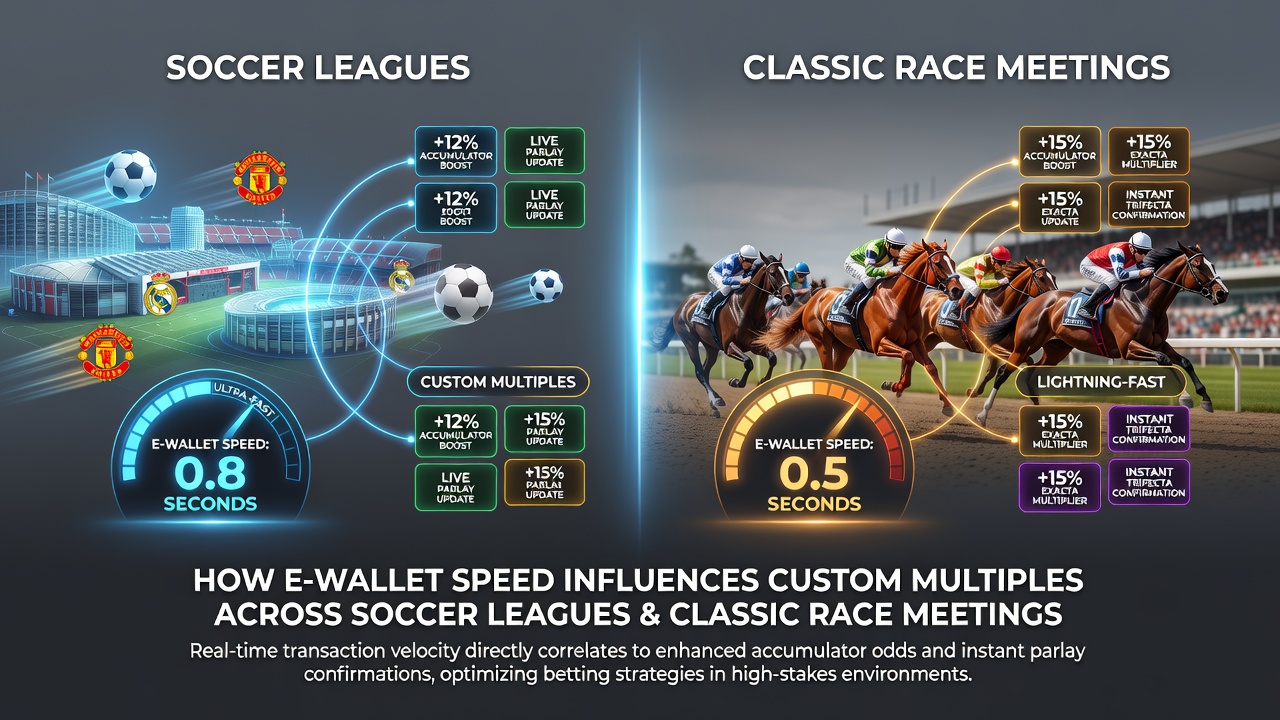
Industry reports compiled by the European Gaming and Betting Association show that average deposit times below four seconds correlate with increased usage of each-way and place multiples at festivals where multiple meetings run concurrently, and this pattern holds across both on-course and remote channels. Bettors constructing accumulators that span flat and jumps racing often require sequential funding steps, and any extension in processing time reduces the number of viable combinations that can be completed before the next off.
Cross-Sport Comparisons and Market Data
Football and racing markets differ in timing density, with soccer offering extended live betting periods and racing presenting discrete race starts every thirty minutes at busy meetings, yet both benefit from sub-five-second wallet transactions when custom multiples span several events. Figures from North American state gaming regulators in 2025 and early 2026 reveal that jurisdictions with widespread e-wallet adoption recorded elevated volumes of multi-leg racing wagers during the Triple Crown series and Breeders' Cup, mirroring trends observed in European football leagues during congested Christmas and August schedules.
Payment providers that maintain consistent sub-three-second authorization across peak hours support higher volumes of tailored bets that combine soccer player props with racing outcomes, and this integration has expanded since major operators introduced unified accounts in 2024. Those who monitor transaction logs note that interruptions exceeding ten seconds disproportionately affect accumulator completion rates compared with single bets, because custom multiples require multiple confirmation steps within the same funded session.
Conclusion
Transaction speed in electronic wallets continues to shape the construction and timing of custom multiples across soccer leagues and classic race meetings, with shorter processing windows enabling more responsive bet assembly during live periods and concurrent fixtures. Available data from academic institutions and international industry associations confirm measurable differences in usage patterns tied to payment efficiency, while geographic variations in adoption highlight the role of regulatory environments in supporting rapid digital transfers. As platforms refine integration standards through 2026 and beyond, the influence of wallet performance on accumulator strategies remains a consistent element in both football and racing wagering ecosystems.