Hybrid Wagering Mechanics Bridge Adaptive Cash-Out Tools Across Football Fixtures and Racing Festivals on Unified Platforms
Henrik Müller · Nov 4, 2026
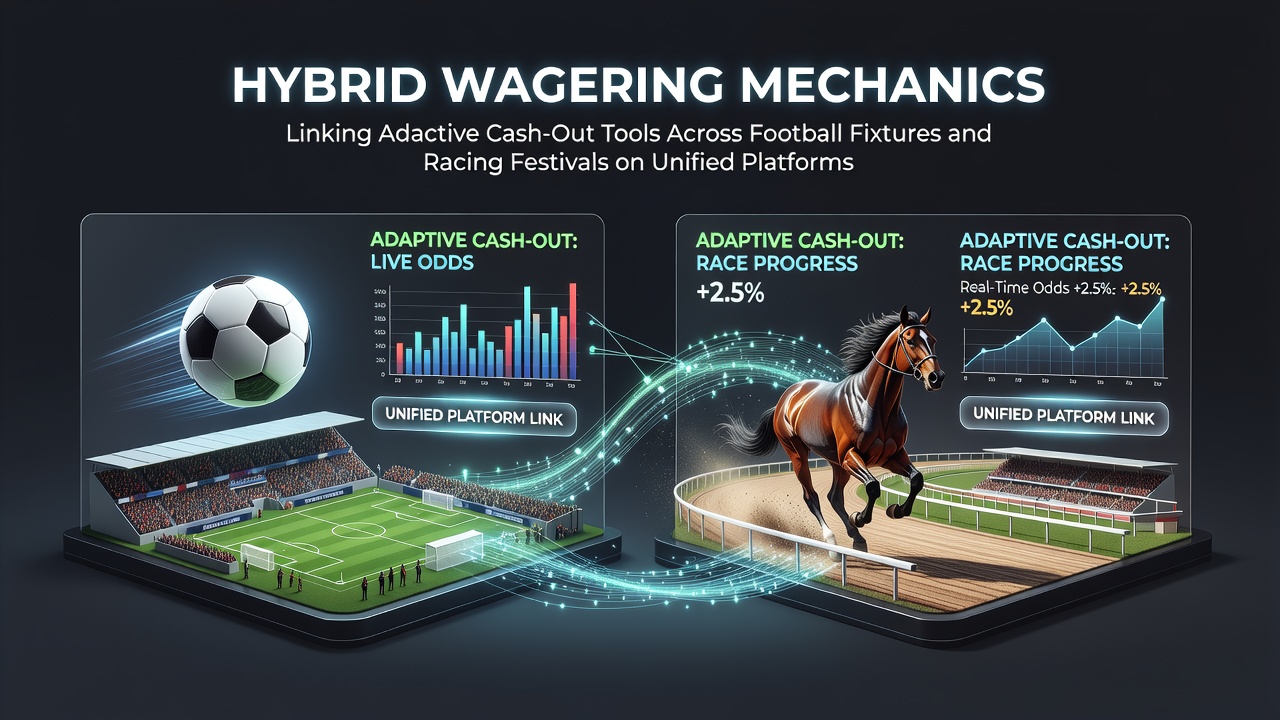
Hybrid Wagering Mechanics Bridge Adaptive Cash-Out Tools Across Football Fixtures and Racing Festivals on Unified Platforms
Hybrid wagering mechanics have gained traction on unified platforms where adaptive cash-out tools connect live football fixtures with racing festivals in real time, allowing users to adjust positions across multiple event types without switching applications. These systems integrate data streams from soccer matches and horse racing meetings so that partial settlements reflect shifting probabilities in both domains simultaneously. Operators report that such integration supports continuous engagement during overlapping schedules, particularly when European league games coincide with major festival days at tracks like Cheltenham or Ascot.
Mechanics of Adaptive Cash-Out Integration
Adaptive cash-out functions operate through algorithmic models that recalculate values based on live inputs from both football and racing feeds, and they apply proportional adjustments when a user holds positions in linked markets. A single dashboard displays exposure across a Premier League match and a festival race card, while the tool factors in variables such as team substitutions or late jockey changes to update available exit prices. Data from platform providers shows that these calculations occur within seconds of each trigger event, maintaining consistency even when events span different time zones.
Users who maintain combined portfolios benefit from the ability to shift capital between football accumulators and each-way racing bets through one interface, and the mechanics preserve original stake proportions during partial exits. Observers note that this reduces friction compared with separate applications, because the unified ledger tracks net positions without requiring manual reconciliation. In November 2026, several platforms introduced enhanced versions that incorporate weather data from racing venues directly into football cash-out valuations when cross-market hedges are active.
Platform Architecture Supporting Cross-Event Tools
Unified platforms rely on modular APIs that pull real-time statistics from licensed data partners, and they route these into a central engine capable of handling both discrete football outcomes and continuous racing variables. The architecture uses timestamp synchronization so that a goal in one fixture instantly influences the cash-out multiplier available for an ongoing race at a distant festival. Security protocols encrypt these exchanges while audit trails record every adjustment for regulatory compliance across jurisdictions.
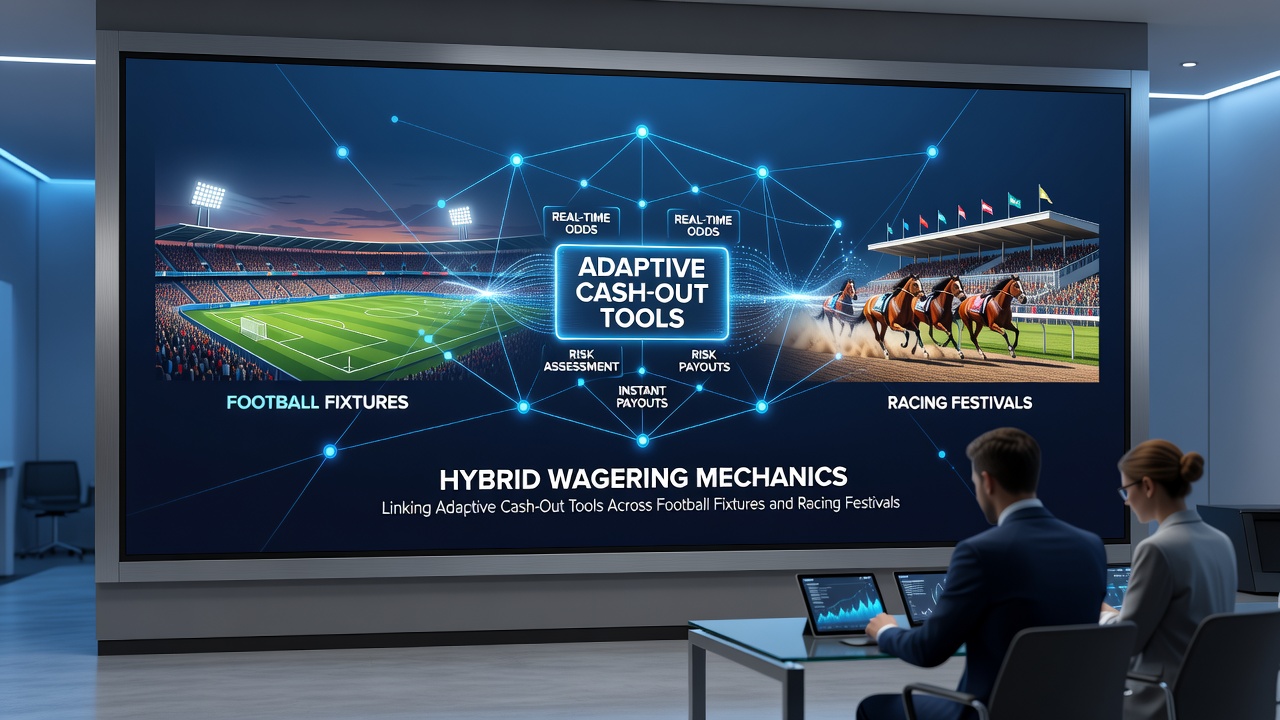
Developers have documented that the backend separates event-specific logic from the shared cash-out module, which permits rapid updates when new racing festivals enter the calendar or when football leagues adjust their fixture lists. This separation also allows operators to test feature rollouts on one sport before extending them to the other. Research conducted by the University of Nevada, Las Vegas Center for Gaming Research indicates that such modular designs correlate with higher user retention rates when platforms span multiple verticals.
Regulatory Considerations Across Regions
Regulators in various territories examine how hybrid tools maintain fairness when cash-out values span different event categories, and they require transparent disclosure of the algorithms involved. The Nevada Gaming Control Board has issued guidance on multi-sport platforms that addresses synchronization standards, while the Australian Communications and Media Authority monitors similar integrations for racing and team sports under its digital wagering framework. These frameworks emphasize audit requirements that verify the independence of pricing engines from promotional incentives.
Operators must ensure that adaptive features do not inadvertently favor one event type over another, and they conduct periodic reviews to confirm that pricing remains consistent with underlying probabilities. In practice, this involves logging every cash-out decision against the data snapshot at the moment of execution, creating verifiable records for oversight bodies.
User Interaction Patterns on Unified Systems
Participants on these platforms often begin with single-sport positions and then expand into hybrid combinations once they familiarize themselves with the cash-out interface. Patterns observed in transaction logs reveal that users adjust football holdings more frequently during high-scoring periods while leaving racing positions untouched until the final furlongs, and the system accommodates these staggered decisions through independent sliders for each leg. Educational resources provided by operators explain the impact of timing on settlement values without directing specific strategies.
Case examples from platform analytics illustrate sessions where a user exits part of a football bet after a red card and simultaneously increases exposure to a later race on the same card, all within one workflow. Such sequences highlight the practical linkage that adaptive tools enable across fixture types.
Conclusion
Hybrid wagering mechanics continue to evolve through the connection of adaptive cash-out tools that operate seamlessly across football fixtures and racing festivals on unified platforms. The underlying architecture, regulatory oversight, and observed user patterns collectively shape how these features function in practice. Continued development in synchronization and data integration supports the ongoing operation of these systems as event calendars expand.