Real-Time Data Streams Reshaping Custom Multi-Leg Wagers in Football and Horse Racing
Jonas Carter · Oct 7, 2026

Real-Time Data Streams Reshaping Custom Multi-Leg Wagers in Football and Horse Racing
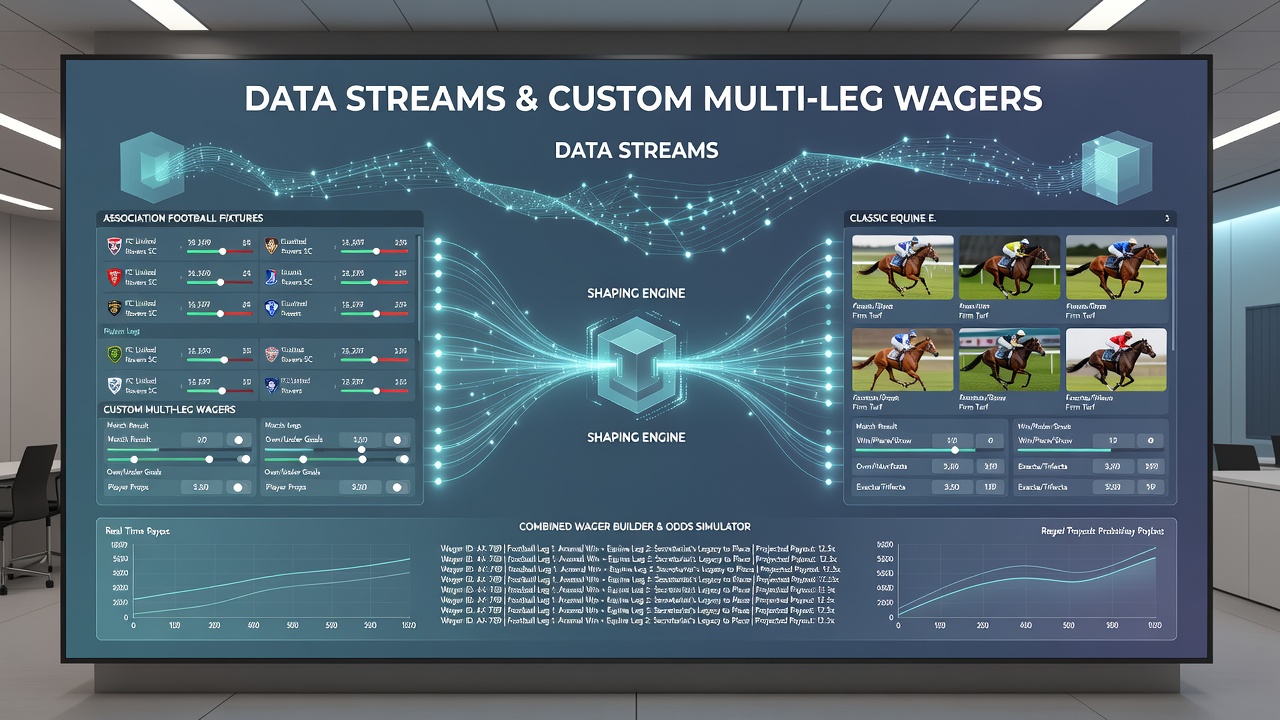
Data streams from multiple sources now feed directly into the creation of custom multi-leg wagers on association football fixtures and classic equine events, allowing operators to combine live statistics, historical records, and situational variables into single betting products. These streams include player performance metrics, team formations, pitch conditions, and equine speed ratings gathered through sensors, video analysis, and official league feeds. Bookmakers integrate such information to generate bespoke accumulator options that span both sports, such as pairing a specific goalscorer outcome with a finish position in a thoroughbred race.
Core Mechanisms Behind Data Integration
Operators pull structured feeds from technology providers that track events in real time, then apply algorithms to calculate adjusted odds for combined selections. In football, variables like expected goals, pass completion rates, and set-piece efficiency merge with equine data points including sectional times, ground conditions, and jockey performance histories. This fusion supports multi-leg bets where a punter selects three or more outcomes across unrelated events, with the overall price reflecting the probability calculations derived from the aggregated streams. Research from the University of Nevada's gaming analytics program shows how continuous data updates reduce latency between an in-match incident and the availability of revised multi-leg pricing.
Examples Across Football and Equine Markets
One common structure pairs a Premier League midfielder to record over 2.5 key passes with a Group 1 racehorse finishing in the top three at Ascot, while another layers a clean sheet probability onto a specific distance winner at a classic meeting. These combinations rely on application programming interfaces that refresh every few seconds, enabling platforms to offer such products throughout the day. Observers note that during October 2026, several major operators expanded their custom builder tools after new data partnerships supplied additional equine biometric information, allowing more granular leg combinations than previously available.
Regulatory Context and Industry Standards
Frameworks established by bodies such as the Alcohol and Gaming Commission of Ontario require clear disclosure of data sources used in odds compilation, ensuring transparency when streams influence multi-leg pricing. Similar guidelines from the Victorian Responsible Gambling Foundation emphasize audit trails for any automated adjustments triggered by incoming statistics. These rules apply equally to football accumulators and equine each-way variants, compelling operators to maintain records of how particular data points altered final odds.
Technical Infrastructure Supporting Custom Bets
Cloud-based systems handle the volume of incoming packets from stadium sensors, trackside timing equipment, and third-party analytics firms. Middleware layers normalize the different formats before feeding risk engines that recalculate probabilities across legs. When a football match enters stoppage time or a race approaches the final furlong, updated inputs can shift the combined payout without manual intervention. Those who have examined platform architectures report that latency under 500 milliseconds remains a key benchmark for maintaining competitive custom wager offerings.
Future Developments in Stream Utilization
Additional layers of machine learning now test correlations between seemingly unrelated variables, such as weather patterns affecting both pitch play and turf performance. Pilot programs underway at several European operators explore the inclusion of biometric wearables data from players and horses, subject to privacy regulations. These expansions could further diversify the range of multi-leg structures available while maintaining compliance with existing oversight mechanisms.
Conclusion
Real-time data integration continues to expand the scope of custom multi-leg wagers linking association football and equine events. Through structured feeds, algorithmic processing, and adherence to regulatory standards, operators deliver combinations that reflect current conditions across both sports. The infrastructure supporting these products evolves alongside advances in sensor technology and analytical methods, maintaining the core requirement that all pricing adjustments remain traceable to verifiable input streams.